

TOPEKA, Kan. — KSHB 41 reporter Olivia Acree covers portions of Johnson County, Kansas, including Olathe and Lenexa. Share your story idea with Olivia.
—
The Kansas Education Funding Task Force met this week in Topeka as it faces a January deadline to come up with a new state education finance formula.
Watch: ‘We want what's best for all school districts:’ Kansas Education Funding Task Force weighs new finance formula
I was in the room with the task force, plus around 40 superintendents from across the state to hear where the formula stands. My biggest takeaway from the two days of meetings is that it's not going to be easy to get the task force to come to an agreement.
The task force went over dozens of potential models, but no was no clear winner. There were a lot of differing opinions in the room, but many members now believe additional funding needs to be added.
I spoke to task force members from Johnson County, as well as superintendents from De Soto, Olathe, Shawnee Mission, and Blue Valley, and they are all still focused on funding special education.
However, many of the models offered no funding change. Some models even showed large districts even losing tens of millions of dollars — including those in Johnson County.
This comes as school districts in Johnson County have been heavily impacted by declining enrollment and a lack of special education funding. Because of that, Olathe is closing six schools and Blue Valley is cutting programs.
When looking at models that would decrease funding for some of the largest districts in the state, Mike Schumacher, the Shawnee Mission superintendent, wants the task force to think about how many students a decrease in funding would negatively affect.
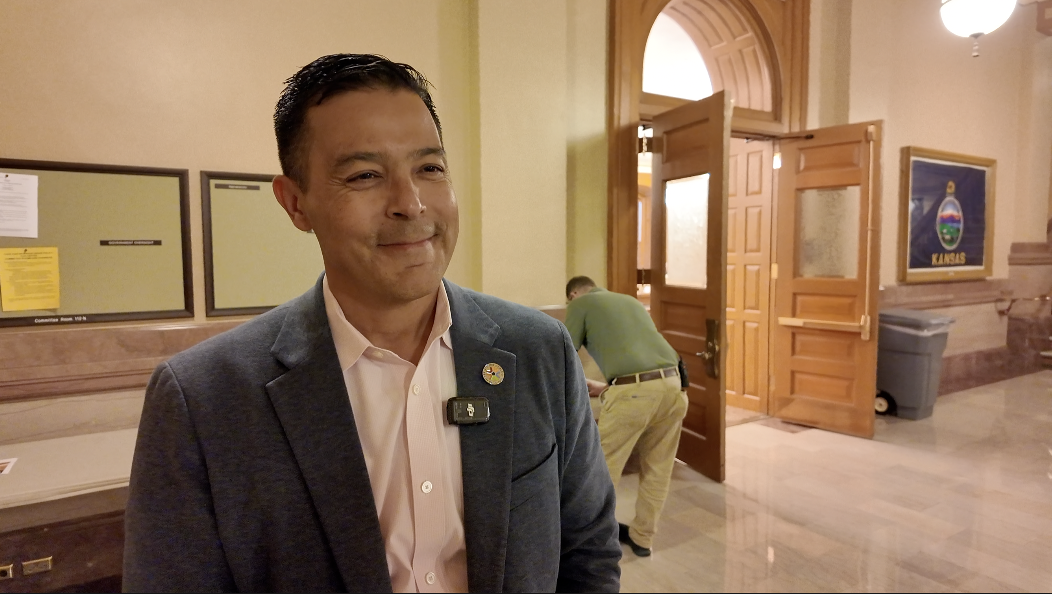
"While it's maybe positive for other smaller districts and, and we want what's best for all school districts and all kids from across the state, what does this do for the majority of kids in the state? And I think it's important for us not to lose sight of these big metropolitan areas," Schumacher said.
Cory Gibson from De Soto — who's also a task force member — shared why he also thinks it's important the next formula not be harmful to any district in the state.
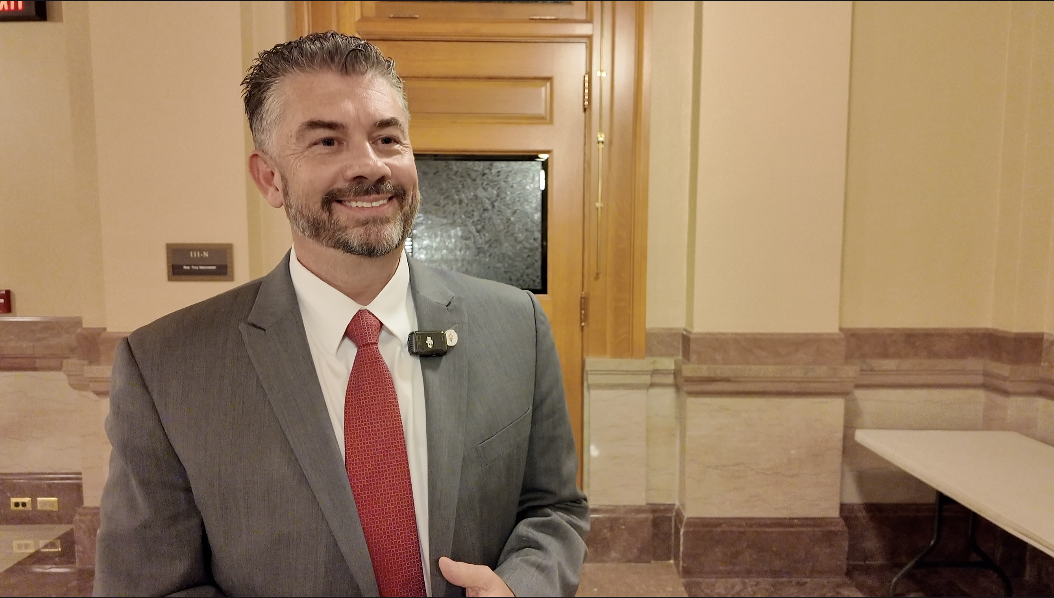
"It's automatic for individual districts as well as those that represent those districts to simply go to their line and see the impact. So I think anything that the committee can come out with that either has a hold harmless provision or additional funding so that districts don't lose in the process, I think has a more favorable outcome," Gibson said.
There were also models that would increase funding overall. Including a model that would increase state funding by $1.1 billion. That was the largest increase we saw presented.
During the task force discussion, Frank Harwood, the director of the Kansas State Department of Education, added that school districts spent $1.3 billion on special education last year. Schumacher was happy to hear discussions around the actual cost of special education and how it differs from what the state is currently providing.
“Whether or not it's coming from the state or whether or not it's coming from local taxpayers, that's what it costs to fully fund special education. So to shine a spotlight on that in this committee, I think is really positive,” said Schumacher.
The task force will be back together in December. By the end of those meetings, the task force will be expected to vote on a recommendation to send to the Legislature in January.
—